A first keyboard quietly decides how a beginner actually feels about lessons. Heavy keys train finger strength from day one, while 61-key portable boards let students move a practice setup between rooms. I focused on action quality, sound depth, and lesson-friendly features like headphone jacks and built-in rhythms so students can practice anywhere without waking the household.
The Essentials At A Glance

Casio CT-X700 61-Key Portable Keyboard

Yamaha P45B 88-Key Weighted Digital Piano
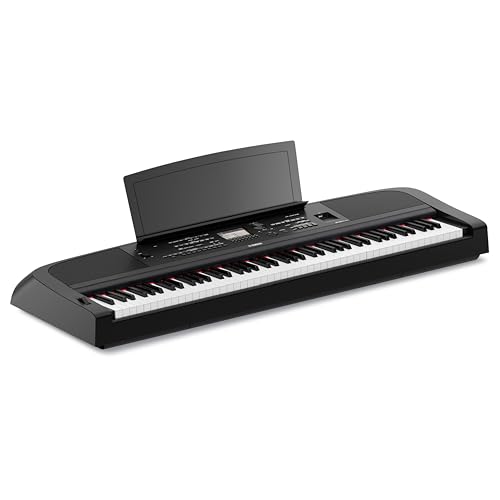
Yamaha DGX-670B 88-Key Digital Piano
Casio Casiotone CT-S300 Keyboard

Casio Casiotone CT-S1 Keyboard (Black)

Yamaha PSR-E473 Touch-Sensitive Keyboard

Hricane Lighted Keys 61-Key Keyboard

Ngdgtt 88-Key Semi-Weighted Piano Set
What Each Pick Brings To The Table
The CT-X700 lands squarely in the middle school of portable keyboards, broad enough to cover classical pieces yet punchy enough for pop exercises. With 600 tones sitting behind Casio’s AiX engine (a processor that layers sampled acoustics for more believable resonance), students can shift from grand piano to synth pads without missing a beat in a lesson.
195 rhythms keep things lively when drills get repetitive, and the touch response (meaning the keys respond to playing speed, softer or harder) helps young fingers develop dynamics from the start. Compared to the smaller Casiotone CT-S300 below, this model stretches further into genre territory while still fitting on a small desk.
Why It Works Well
- 600 tones give a student room to experiment across classical, jazz, and electronic styles
- 195 built-in rhythms turn scales and arpeggios into less tedious warmups
- AiX processing delivers a warmer piano tone than older Casio entry boards
- Touch sensitivity trains dynamic control from the very first lesson
- 61 keys cover most beginner repertoire without overwhelming small hands
Trade Offs Worth Noting
- Keys are unweighted (no hammer action), so transitioning to an acoustic later takes adjustment
- Plastic chassis feels light, and the finish tends to show fingerprints after months of daily use
- No Bluetooth MIDI built in, which limits wireless lesson apps on newer tablets
Quick Facts
Best Suited To
Curious beginners who want genre variety from day one, especially students taking lessons in pop, film music, or contemporary styles.
Skip It When
The Yamaha P45B suits you better if weighted keys and classical finger strength are the main priority for an older student.
The Yamaha P45B feels like a quiet teacher in keyboard form, simple, forgiving, and built around graded hammer action (heavier resistance in the low keys, lighter in the high keys, just like an acoustic). For students who may one day transfer to a real piano, that realism matters more than flashy sounds.
10 voices keep the focus on piano tone, and the included sustain pedal invites expressive practice early. Compared to the CT-X700, this board sacrifices variety for tactile honesty, which is exactly what most method books expect.
What Helps Most
- 88 weighted keys cover the full piano range with acoustic-style response
- Graded hammer action builds finger independence in both hands
- Includes sustain foot switch, music rest, and built-in speakers
- USB connectivity opens the door to lesson apps and recording
Trade-Offs To Consider
- Only 10 voices means fewer rewards for students who love exploring sounds
- Heavier than 61-key portables, so moving it between rooms takes effort
The Right Fit
Older beginners and adults committed to classical or formal lessons where proper key weight shapes long-term technique.
A Better Fit Elsewhere
The Casio CT-X700 makes more sense for younger students who bounce between styles and need hundreds of tones to stay motivated.
The DGX-670B is the serious student board, the one a parent buys when a child has stuck with lessons past the first year and shows real discipline. CFX Stereo Sampling (a Yamaha technology that captures the sound of their flagship concert grand from multiple angles) brings the richness of a flagship grand into a home setup.
Graded hammer action and Smart Pianist compatibility mean progress does not stall when repertoire gets harder. The trade-off shows up in the price tag and the sheer number of features, which can overwhelm a true novice.
The Case For It
- CFX-derived piano samples deliver concert-grade tone right at home
- Full 88 weighted keys with graded response for advanced repertoire
- Smart Pianist app integration turns sheet music into guided practice
- Built-in rhythm accompaniment keeps practice sessions varied
- USB and Bluetooth MIDI expand lesson software options
Honest Caveats
- Heavier and bulkier than portable boards, so it stays in one room
- Feature depth may confuse a brand-new beginner who just wants to play one song
Feature Snapshot
Perfect Match For
Intermediate and advanced students pursuing graded exams or classical repertoire where tone quality shapes musicality.
Where Another Pick Shines
The Yamaha P45B covers basic weighted practice without the higher cost for families not ready to commit long term.
For students who split time between two households or practice in odd corners of the house, the CT-S300 solves the logistics problem first. Six AA batteries and a built-in handle turn it into a keyboard that goes where the lesson happens.
400 tones keep it interesting, and the touch response adds discipline even on the road. It feels lighter and more compact than the CT-X700, which makes it a friendlier pick for younger children.
The Value In It
- Runs on AA batteries for truly portable practice sessions
- Touch-sensitive keys maintain dynamic training away from home
- 400 tones cover pop, classical, and world music explorations
- Built-in carrying handle makes transport effortless for kids
Points To Keep In Mind
- Keys are unweighted, so finger strength drills must happen elsewhere
- Speaker output is modest, better suited to headphones than living-room playback
Made For
Students who travel, attend sleepovers, or need a bedroom setup that disappears during the day.
Look Elsewhere When
The Yamaha P45B is the stronger choice if a student needs proper weighted action for classical repertoire.
The CT-S1 looks more like a piece of furniture than a practice tool, and that matters in apartments where a keyboard lives in plain sight. Underneath the minimalist shell, Casio still packs AiX sound processing for tones that punch above the board’s size.
Touch-sensitive keys and a 61-key layout cover most beginner needs, while the slim depth makes it easy to slide under a bed or onto a shelf. Versus the CT-S300, this model prioritizes aesthetics and tone refinement over battery portability.
Real-World Strengths
- Minimalist design suits modern living rooms and small apartments
- AiX sound source delivers more refined piano tone than older Casio entries
- Touch-sensitive keys support dynamic playing
- Slim profile stores easily under furniture when not in use
Small Caveats
- Fewer tones than the CT-X700, so genre-hoppers may feel restricted
- No battery option, which limits true grab-and-go practice
Technical Highlights
Who Will Love This
Style-conscious beginners and apartment dwellers who want a keyboard that looks intentional in their living space.
Not Your Match When
The Casio CT-S300 serves better for students who need battery power and frequent transport between locations.
Teenagers who outgrow basic keyboards tend to land here, drawn by Groove Creator and DJ-style performance controls. The PSR-E473 turns practice into something closer to producing music, which keeps motivation alive during the stubborn intermediate years.
820 voices and 290 accompaniment styles stretch far beyond standard beginner fare. Compared to the CT-X700, this Yamaha leans into creative play rather than pure piano study.
A Favorable Mix
- 820 voices offer the deepest sound library in this lineup
- Groove Creator and DJ controls keep modern students engaged
- Touch-sensitive 61 keys support expressive playing
- 290 accompaniment styles back creative experimentation
- Quick Sampling lets students record and trigger sounds
Worth Bearing In Mind
- Keys are unweighted, so classical repertoire work feels less authentic
- The control layout takes time to learn, which can frustrate true beginners
Built With In Mind
Teen and tween students exploring songwriting, beat-making, or stage performance alongside traditional lessons.
Consider Something Else When
The Yamaha DGX-670B suits students who prioritize concert-grade piano tone over production features.
Light-up keys change the first lesson entirely, guiding small fingers to the right notes before they ever learn to read sheet music. Hricane leans into that teaching-first approach with LCD display feedback and bundled learning stickers.
USB or battery power keeps setup flexible for kitchen-counter lessons or road trips. Compared to the Casio CT-S300, this board is less about sound variety and more about walking a true beginner through their first songs.
Everyday Wins
- Lighted keys remove the guesswork for absolute beginners
- Teaching mode guides students through their first melodies
- USB or battery power fits nearly any practice location
- LCD display reinforces note reading during lessons
Points To Watch
- Unweighted keys limit long-term classical technique development
- Tone library is smaller than Casio’s portable boards
Who Should Grab It
Young children or adults starting from zero who need visual cues to build early confidence at the keyboard.
Swap It Out When
The Casio CT-X700 fits better once a student moves past guided learning and wants broader musical exploration.
Some households want everything in one box, and the Ngdgtt set delivers exactly that: keyboard, stand, pedal, and Bluetooth. The semi-weighted action (lighter than full hammer action but still resistant) splits the difference between portability and authenticity.
200 sounds and 70 demo songs give a beginner enough material to explore without overwhelming. Compared to the Yamaha P45B, this kit adds modern connectivity and a furniture-style stand, though the action feels lighter under the fingers.
Practical Advantages
- Complete bundle includes stand, sustain pedal, and built-in speakers
- Bluetooth and MIDI/USB cover modern lesson app compatibility
- 88 semi-weighted keys span the full piano range
- 200 rhythms and demo songs expand practice variety
Where It Is Less Suited
- Semi-weighted action feels lighter than Yamaha’s graded hammer system
- Accessory quality (pedal, stand) varies, which owners commonly report
Product Snapshot
Right Fit For
Households wanting a single purchase that delivers a full home piano setup without separate accessory shopping.
Where A Sibling Pick Shines
The Yamaha DGX-670B offers richer tone and more reliable action for families ready to invest in long-term study.
Choosing The Right Keyboard For Piano Lessons
Key Count And Action Type
The number of keys matters more than beginners expect. A 61-key board covers most beginner method books, while an 88-key model (a full standard piano keyboard) prepares a student for any piece they will eventually encounter. Weighted or hammer-action keys mimic the resistance of an acoustic piano, and that tactile feedback shapes finger strength from day one. Beginners aiming for classical study benefit from full weighted action; casual learners on pop or modern music can start with unweighted or semi-weighted keys without major setbacks. Weight counts: a fully weighted 88-key board typically sits around 25 to 30 pounds, while a 61-key portable often weighs closer to 10.
Sound Quality And Library Size
Tone libraries range from around 10 voices on minimalist boards to 800-plus on advanced models. The honest read is that a deep library helps motivation, especially for students exploring genres beyond classical. Sound engine quality, like Casio’s AiX or Yamaha’s CFX sampling, matters more than raw voice count. A smaller library with better samples often sounds richer than a huge library with thin ones. For most piano lessons, 200 to 400 quality tones deliver enough variety without overwhelming a beginner’s ear.
Practice-Friendly Features
Headphone jacks keep apartment practice quiet. Built-in rhythms and metronomes (a click track that keeps a steady beat for practice timing) make drills less tedious. USB or Bluetooth MIDI connectivity opens doors to apps that turn iPads into interactive teachers. Sustain pedals teach pedaling technique early, and LCD displays help beginners visualize notes. None of these features are required, but each one removes a small friction point from daily practice.
Matching The Keyboard To The Student
Young children often respond best to lighted keys or simple layouts with visual cues. Teens and creative learners want sound variety and production tools. Adults returning to music usually want weighted keys and authentic piano tone. Matching the board to the student’s age, motivation style, and lesson goals prevents the common problem of a keyboard gathering dust after three months.
Things Worth Considering Before You Buy
Common Slip Ups Worth Dodging
Choosing the cheapest unweighted board for a serious classical student almost always backfires. Skipping headphone capability turns practice into a household conflict, especially in shared spaces. Overlooking stand and pedal compatibility leads to awkward posture, and that trains bad habits that take years to undo. Buying too many tones before a beginner can play one song often distracts more than it inspires.
Where The Extra Money Goes
Stepping up to a higher-tier board typically buys better key action, richer piano sampling, and more reliable pedal response. Yamaha’s CFX-derived models and Casio’s AiX engines both deliver noticeably deeper acoustic tone. Premium boards also tend to include sturdier chassis and more stable stands. The upgrade pays off most when a student has committed to lessons for at least six months and shows real progress, otherwise the extra features may sit unused while the basics get mastered.
Frequently Asked Questions
How many keys does a beginner really need?
For most first-year students, 61 keys covers everything a method book asks for. Students aiming for intermediate or advanced repertoire benefit from 88 keys, since advanced pieces regularly use both ends of the piano. The trade-off is size and weight, since 88-key boards take up more room and rarely run on batteries.
Are weighted keys necessary for piano lessons?
Weighted keys are not strictly required, but they train finger strength and dynamics that transfer directly to acoustic pianos later. For classical study, weighted action is widely considered essential. For casual pop or modern lessons, unweighted keys work fine and reduce fatigue during long sessions.
What is the difference between semi-weighted and fully weighted?
Semi-weighted keys add some spring resistance but feel lighter than fully weighted hammer action. Fully weighted keys use a hammer mechanism that mimics acoustic piano feel, heavier in the bass and lighter in the treble. Semi-weighted sits between unweighted synth action and full hammer action, offering a compromise for students who want realism without heavy resistance.
Do built-in speakers matter if the student uses headphones?
Speakers matter for family listening and casual play, but headphone practice drives most lesson work. A modest speaker system works fine for monitoring sound without an amplifier. Strong speakers help when a student wants to play along with recorded backing tracks or perform for family.
Can a portable keyboard support serious classical repertoire?
Portable 61-key boards cover early classical pieces well but run out of range for advanced sonatas and concertos. For serious classical study, an 88-key weighted board is the standard recommendation. Portability becomes secondary to key count and action quality once a student reaches intermediate level.
Closing Thoughts
The right keyboard quietly shapes how a beginner feels about practice. Weighted action builds technique, tone quality keeps ears engaged, and a sensible feature set removes friction from daily sessions. Start with the student in front of you, match the board to their age, goals, and learning style, and lessons feel less like a chore from the very first week.