I spend a lot of time around rack rooms, and the gap between a decent interface and the right one for your workflow shows up fast, especially once sessions get bigger than a singer-songwriter demo. Rackmount audio interfaces anchor that workflow, and the seven picks below cover the spread from a focused patchbay helper to a full studio centerpiece.
The Essentials At A Glance

Black Lion Audio PBR XLR Patchbay

Focusrite Scarlett 18i20 3rd Gen USB Audio Interface

PreSonus NSB32.16 AVB Networked Stage Box

Universal Audio Apollo X8 Thunderbolt 3 Audio Interface

Neve 1073SPX Microphone Preamp and EQ
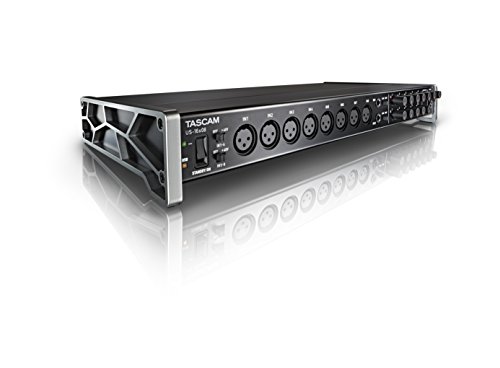
Tascam US-16×08 Rackmount USB Audio/MIDI Interface

Pre73 Jr MKII Microphone Preamp
A Deeper Look At The Lineup
Patchbays don’t get the spotlight interfaces do, yet they quietly decide how fast a session moves. The Black Lion Audio PBR slots into a standard rack and gives you 16 points wired through 32 gold-plated XLR jacks, which means the cabling stays tidy behind the desk instead of spilling out across the floor.
In a real session, this is where rerouting mic preamps, monitor feeds, and outboard gear happens without crawling behind furniture. Studios running a hybrid setup, with one of the larger interfaces covered below plus a wall of analog gear, usually treat a patchbay like plumbing. The PBR makes that plumbing feel reliable.
Noteworthy Benefits
- Gold-plated XLR jacks resist corrosion and hold their connection through years of repatching, which matters in studios that reroute daily.
- Sixteen points front and rear keep large rigs manageable, especially in rooms running multiple mic preamps.
- The 1U form factor frees up rack space for other essentials.
- Full XLR normalization supports both balanced and unbalanced flows without extra adapters.
Practical Considerations
- It is a patchbay, not an interface, so owners need a separate audio interface to actually convert signal to a computer.
- Labeling the front jacks is on you, and a clean label sheet pays for itself once the cable count climbs.
Whose Rack It Belongs In
Studio owners running several analog preamps or outboard processors who want fast, clean routing.
Skip It When
The Focusrite Scarlett 18i20 fits a smaller studio better if you don’t yet own enough outboard gear to justify 16 patch points.
For most project studios, the Scarlett 18i20 3rd Gen is the sensible hub of the rack. It puts eight mic pres on the front, adds eight line inputs and eight line outputs around the back, and converts at up to 24-bit/192 kHz, which is more resolution than most home setups actually need.
The Air mode on each preamp shapes the high end in a way that flatters vocals, and a built-in talkback mic plus speaker switching round out a feature set usually reserved for more expensive units. Day to day, that means one box handles a full band tracking session and keeps the artist happy through decent monitor routing.
A Favorable Mix
- Eight front-panel preamps give a small band room to track drums, bass, guitars, and vocals without swapping cables.
- Speaker switching and onboard talkback mimic a console workflow, which feels like a quiet upgrade from a basic interface.
- 24-bit/192 kHz converters cover the headroom most recordists will ever use.
- USB connectivity keeps the setup simple for laptops and small rooms.
Trade-Offs
- Eight preamps run out fast once you start miking a full drum kit and a full band at once.
- It depends on USB bus power patterns in some older laptops, so a powered hub or recent port helps.
- Air mode adds flavor but can’t replace a dedicated outboard preamp like the Neve 1073SPX for true vintage color.
Feature Snapshot
Made For
Project studios and small commercial rooms tracking bands or vocal sessions with a single box.
Another Choice May Suit
The PreSonus NSB32.16 is a better match for venues and live rigs that need more than eight remote-controllable preamps.
Stage boxes live a rough life, and the NSB32.16 is built for it. A rugged 3U rack enclosure with multi-position rack ears lets it mount in the usual racks or in shallow installs, and 32 locking combo mic/line inputs plus 16 XLR outputs cover most touring rigs without breaking a sweat.
PreSonus adds 32 remote-controllable XMAX preamps, gain compensation so multiple mixers can pull from the same sources without stepping on each other, and dual AVB ports with locking XLR Ethernet jacks. That network backbone is what separates a stage box like this from a tabletop interface, since 64 AVB channels can travel long distances across a venue.
The Practical Payoff
- 32 remote-controllable preamps from the mix position save trips on and off the stage.
- Gain compensation means a front-of-house engineer and a monitor engineer can both mix without fighting over gain.
- Locking XLR Ethernet ports resist accidental disconnection mid-show, a common annoyance with cheaper RJ45 jacks.
Where It Is Less Suited
- It needs an AVB-aware mixer at the other end of the cable, so it isn’t a drop-in replacement for a USB interface.
- Physical depth and weight make it a poor choice for a small home studio rack.
Right Fit For
Touring bands, houses of worship, and theater installs that already run AVB-equipped mixers.
Look Elsewhere When
Home recordists should pick the Focusrite Scarlett 18i20, which connects to a laptop with no extra console required.
The Apollo X8 sits in a different league than most of the lineup. An 18 x 24 Thunderbolt 3 interface with elite-class A/D and D/A conversion, eight Unison-enabled mic preamps, and onboard UAD HEXA Core processing, it doubles as a DSP engine for running Universal Audio’s plugin library in real time.
For producers who print through vintage channel strips while tracking, Unison preamps model the input impedance and gain stages of classic mic pres, which translates into a tactile feel you don’t get from a standard preamp. HEXA Core adds six DSP chips, so heavy plugin chains run without taxing the host CPU.
Bright Spots
- Eight Unison preamps let each input load a different classic preamp model, which adds variety to drum and vocal sessions.
- HEXA Core processing handles dense UAD plugin chains during tracking and mixing with low latency.
- Thunderbolt 3 bandwidth supports high channel counts and stable monitoring for sample-heavy sessions.
Honest Caveats
- Thunderbolt 3 compatibility varies across older Windows machines, so a recent Mac or supported PC is almost essential.
- The ecosystem locks you into the UAD plugin library, which is excellent but adds up over time.
- It is overkill for a singer-songwriter doing light overdubs.
Quick Facts
Who Should Grab It
Producers, project studios, and post rooms that want conversion quality and real-time plugin modeling in one chassis.
Reach For A Different Pick When
Tracking-heavy engineers who want vintage flavor without the Thunderbolt constraint should look at the Neve 1073SPX.
The Neve 1073 has lived in commercial studios since 1970, and the 1073SPX brings that sound into a single-channel rack unit. A mic preamp paired with a three-band EQ that defines the punchy, authoritative tone of the original Neve 80-series consoles, this box shapes a sound that processors struggle to fake.
Tracking lead vocals through the 1073SPX tends to compress and warm the source in a way that feels like it was mixed before the mixing stage even started. Used on snare or acoustic guitar, the same channel strips often sit front and center in the final mix.
What Pays Off
- The Neve 1073 EQ curve adds character that many engineers reach for first when a vocal or snare needs weight.
- A single rack unit keeps the classic Neve circuit accessible without buying a full console.
- Build quality tends to hold up across decades of studio use.
Some Limits To Know
- It is one channel at a time, so tracking drums usually means stacking several units or pairing it with a wider interface.
- It is not a host-connected interface on its own, so a separate audio interface is still needed to reach the computer.
Perfect Match For
Vocal-forward producers and engineers who want an unmistakable analog flavor on a featured track.
Swap It Out When
The Pre73 Jr MKII is a friendlier shape of British console tone for studios on a tighter budget.
Drum recording eats preamps, and the Tascam US-16×08 arrives with eight Ultra-HDDA mic preamps rated for clean, quiet performance and up to 56 dB of gain. Add eight line inputs, two of them switchable to instrument level, and eight balanced line outputs, and the I/O count matches how a real session actually feels.
Included control software handles routing and monitoring, which removes a layer of menu diving during setup. For a band tracking live in a single room, this interface fits the job with little fuss.
Practical Advantages
- Sixteen total inputs make it genuinely friendly for a drum kit plus room mics plus a few instruments at once.
- Switchable instrument inputs on channels accommodate bass and guitar without a separate DI box.
- USB connectivity keeps the rig portable for studios that move between rooms.
Factors To Consider
- Its preamp color is clean rather than colored, so studios craving vintage flavor usually pair it with a unit like the Neve 1073SPX.
- The bundled control software is capable, but updating drivers and firmware on Windows machines sometimes takes patience.
Details At A Glance
Built With In Mind
Home studios and project rooms running drum-heavy or band sessions that want a one-cable USB workflow.
Where A Sibling Pick Shines
The Focusrite Scarlett 18i20 fits tighter if Air-flavored preamps and talkback features matter more than raw input count.
The Pre73 Jr MKII packs a vintage-flavored preamp into a half-rack-sized box. Class A electronics with no integrated circuits or surface-mount components in the signal path give it a discrete topology that modern surface-mount designs often skip, and a 20 to 70 dB gain range covers most ribbon and dynamic mic situations.
For home studios chasing that British-console sound without the four-figure price, this unit lands in a useful middle ground. It can sit next to a Focusrite Scarlett or Tascam interface and add a touch of harmonic weight to a vocal or bass DI before the signal ever hits the converter.
A Few Strong Suits
- Discrete Class A signal path delivers the harmonic profile a typical interface preamp misses.
- The wide gain range handles quiet ribbons and louder condensers equally well.
- Half-rack form factor leaves space for other utilities in the same shelf.
Worth Bearing In Mind
- It is a single-channel preamp, so stacking units adds cost and rack space quickly.
- It needs a separate audio interface to feed the computer, since it has no host connectivity on its own.
Who It Suits Best
Home studio owners and project engineers who want analog flavor on a vocal or bass DI without a console-sized investment.
Where Another Pick Suits Better
The Neve 1073SPX delivers a more famous version of the same vintage DNA for studios with deeper pockets.
Building A Rack That Works As Hard As You Do
Picking a rackmount audio interface comes down to three honest questions: how many real sources you record at once, how much analog flavor you want before the converter, and how the box talks to the rest of your rig. A solo songwriter with two mics lands in a different spot than a band tracking drums or a venue running thirty-two stage lines.
Channel Count And Tracking Reality
Daw sessions balloon fast, and preamp count dictates the ceiling. Eight preamps, like those on the Focusrite Scarlett 18i20 or the Tascam US-16×08, comfortably handle most small bands and overdub sessions. Larger ensembles or live rigs need the 32-input scale of the PreSonus NSB32.16, where stage boxes replace the role an interface plays in the studio.
Conversion And Sound Quality
Sample rate and bit depth (24-bit/192 kHz is the modern norm) cover the fidelity question, but the analog stages around the converters shape the personality. The Universal Audio Apollo X8 is built for studios that want elite A/D and D/A, while the Neve 1073SPX and Pre73 Jr MKII lean into colored preamp stages before the signal hits any digital system.
Host Connectivity And Ecosystem
USB works almost everywhere and keeps laptops happy, which is why it dominates home rigs. Thunderbolt 3 unlocks higher channel counts and tight real-time plugin processing on units like the Apollo X8. AVB networking, as on the NSB32.16, is the play for venues running long cable runs between stage and mix position. Matching the interface to the connection your computer or mixer already supports avoids adapter headaches.
Things Worth Knowing Before You Commit
Common Slip Ups Shoppers Hit
Buying on input count alone often backfires once you factor in preamp quality and converter character. Studios that buy a 32-input stage box for a home setup usually discover the networking requirement makes the gear unusable without a compatible mixer at the other end. Match the box to your real session and your real computer, not the spec sheet that looks impressive on paper.
Why The Higher Tier Costs More
Premium units like the Apollo X8 and 1073SPX carry costs beyond raw parts. Conversion chips, discrete analog circuits, and tighter component tolerances translate into measurements and a feel that cheaper units struggle to match. For producers shipping finished records, that difference often justifies the spend. For hobbyists tracking demos, a Tascam or Focusrite covers the same job with less cash tied up in the rack.
Frequently Asked Questions
How Many Preamps Do I Really Need?
Count the maximum number of microphones you expect to use at once, including drum mics, room mics, and instrument DIs. Add a couple for safety, since sessions tend to grow past the original plan. Eight covers a small band, sixteen suits drum-heavy tracking, and thirty-two fits touring and venue installs.
Do I Still Need An Audio Interface If I Buy A Preamp Like The 1073SPX?
Yes. A standalone preamp shapes and amplifies the microphone signal but it doesn’t convert that signal into a digital stream for your computer. Pair any boutique preamp with a dedicated interface that handles the A/D conversion, whether that is a Focusrite, Tascam, or Universal Audio unit.
What Is Thunderbolt 3 And Why Does It Matter?
Thunderbolt 3 is a high-bandwidth connection standard that supports more audio channels and lower monitoring latency than USB. It matters most for producers running large sessions with real-time plugin processing, which is exactly where the Universal Audio Apollo X8 earns its keep.
Can A Stage Box Replace A Studio Interface?
Only if your mixer supports AVB or the equivalent network protocol the stage box speaks. The PreSonus NSB32.16 is a stage box designed for live rigs and networked studios, not a substitute for a USB or Thunderbolt interface in a typical bedroom setup.
Is A Patchbay Still Useful In A Modern Studio?
Absolutely. The Black Lion Audio PBR makes sense in any studio running several outboard preamps, processors, or monitor feeds, since it turns cable swaps into front-panel patches. Studios with one interface and minimal outboard gear can hold off until the rack grows.
Closing Remarks
The right rackmount interface depends on the session you actually run, not the one you imagine. Small studios thrive on the Focusrite or Tascam, larger rigs lean on PreSonus or Universal Audio, and analog character lives in the Neve and Golden Age units. Match the box to the workflow, and the rest of the rack tends to fall into place around it.