Photography workflows have outgrown casual hobby software. Modern shooters want machines that handle massive RAW files, layered edits, and color-accurate previews without choking mid-session. The right computer setup, paired with the right accessories, turns hours of post-processing into a smoother, more enjoyable routine. I’ve put together a shortlist that mixes a powerhouse laptop with the support gear every photo workspace genuinely needs. Whether you’re batching wedding shoots, retouching product frames, or running a weekly YouTube channel, this lineup covers the angles worth weighing.
A Closer Look At The Lineup

Ailight Adjustable Desk Camera Mount & Webcam Stand 10.8″-31.1″

Apple 2024 MacBook Pro M4 Pro 16.2-inch Liquid Retina XDR

Ulanzi U60 RGB Clip on Video Light, CRI≥95 2500-9000K Dimmable

K&F CONCEPT Light Stand for Photography, 9.1ft/2.8M Extendable Tripod
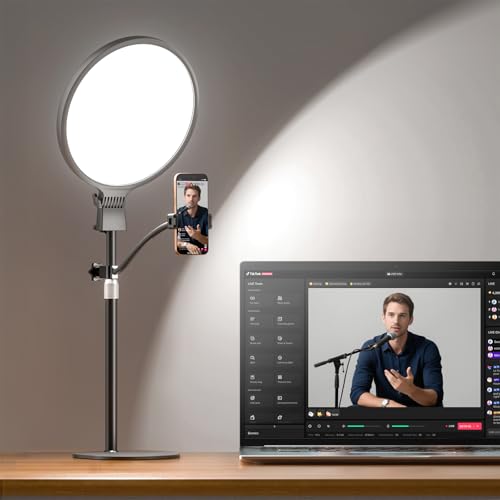
Evershop 1300 Lumens Ring Light with Stand for Desk & Laptop
The Details Behind The Selections
An overhead camera mount is one of those accessories you don’t realize you need until a flat-lay product shot comes out crooked or a recipe video shows only half the cutting board. The Ailight mount solves that with an aviation-aluminum column that telescopes from roughly 10.8 inches to over 31 inches, giving shooters enough range to hang above a workstation or stretch over a full tabletop setup. The matte finish shrugs off fingerprints, which matters once you’ve handled it a few times during a long shoot.
Product photographers capturing jewelry, baked goods, or watches will find the height range genuinely useful. Same story with educators recording tutorials who need a steady top-down angle on notebooks or instruments. Compared to the MacBook Pro later in this list, this pick doesn’t process anything; it just gives your existing camera a stable, repeatable perch.
Everyday Advantages
- Aviation aluminum keeps the column rigid even at maximum extension, which prevents wobble during long exposures
- The 10.8″ to 31.1″ range covers everything from desk-level framing to full overhead flat-lay work
- A weight of roughly 16.8 ounces means it travels easily between a home office and a rented studio
- Matte surface wipes clean with a dry cloth, helpful in food or product sessions where smudges show up on camera
Things To Consider
- The base footprint stays modest, so extending to full height on an uneven surface can introduce sway under heavier cameras
- Owners commonly report that the included mount head is serviceable but may benefit from an upgraded ball head for heavier mirrorless rigs
- No carrying case is included, which matters for shooters transporting the setup between locations
Who It Suits Best
Independent product photographers and content creators running tabletop flat-lay sessions on a regular basis.
Consider Something Else When
Anyone shooting primarily outdoors should look at the K&F CONCEPT Light Stand instead, since its taller reach and tripod base handle wind and uneven terrain better.
The MacBook Pro with M4 Pro is the kind of machine working photographers quietly wish for once their libraries outgrow an entry laptop. A 14-core CPU and 20-core GPU tackle batch exports, AI masking, and stacked Photoshop layers without the fan spinning into a takeoff roll. The 16.2-inch Liquid Retina XDR display, with its high peak brightness, gives color-critical editing a screen that holds up against reference monitors in most indoor sessions.
With 48GB of unified memory, large RAW catalogs from a wedding weekend open smoothly, and the 512GB SSD keeps project files accessible. Working pros handling commercial retouching or high-volume event work benefit most. Compared to the Ailight mount, this is the engine; the mount simply gives the camera a better angle.
Notable Upsides
- The M4 Pro chip chews through Capture One and Lightroom Classic batches that would bog down lesser machines
- The Liquid Retina XDR display covers a wide color gamut, which matters when grading client proofs
- 48GB of unified memory (RAM that the CPU and GPU share for faster data access) keeps multiple RAW files open while exporting in the background
- All-day battery life means location editors can work between flights or on a hotel balcony without hunting for outlets
Worth Noting
- 512GB of storage fills up fast with RAW libraries, so most working photographers add external drives or a higher-capacity configuration
- The 16.2-inch form factor is great on a desk but heavier to tote than a 13-inch model during travel days
- Owners commonly invest in a calibrated external monitor for final color-critical output, since built-in displays can drift slightly over time
Feature Snapshot
Made For
Full-time photographers and retouchers running commercial deadlines on a single, portable machine.
Look Elsewhere When
Casual shooters editing only a handful of images per week should consider the Evershop ring light setup instead, since their workflow leans on a clean capture environment more than raw processing power.
Hybrid shooters juggling stills and video need a compact light that adapts without filling a bag. The Ulanzi U60 RGB delivers that with 60 high-efficiency LEDs and a CRI rating of 95 or higher (CRI, or Color Rendering Index, measures how accurately a light reveals true colors compared to natural daylight). Color temperatures range from 2500K to 9000K, spanning warm tungsten vibes through cool daylight, and RGB modes unlock creative accents for product reels or moody portraits.
The LCD display keeps settings readable in dim rooms, and a stepless dimmer lets you fine-tune output during a take. Compared to the MacBook Pro in this list, the U60 doesn’t process files; it shapes the light those files are captured under. Vloggers, behind-the-scenes shooters, and food photographers benefit most.
What Earns Its Place
- CRI≥95 rating ensures skin tones and product colors render close to natural daylight
- The 2500K to 9000K range covers ambient room matching through stylized cinematic looks
- RGB output adds creative flexibility for branded content, accent lighting, or moody b-roll
- A built-in cold shoe mount (a standard accessory foot found on most cameras) clips onto mirrorless rigs without extra adapters
Trade Offs
- Battery life varies with brightness, so a long interview day may drain the unit faster than expected
- Output is modest compared to a larger panel, making it better suited for close-range fill than full-room key lighting
Best Suited To
Creators who shoot both stills and short-form video and want one light that pivots between formats.
Reach For A Different Pick When
Studio photographers who need sustained, broad illumination for full scenes will get more value from the K&F CONCEPT Light Stand paired with a larger panel.
A reliable light stand is the quiet hero of any photo setup. The K&F CONCEPT stand extends from roughly 112cm to 280cm, putting a softbox or speedlight above head height for full-body portraits or wide product scenes. A metal construction keeps it planted under load, while non-slip feet and a wider tripod base resist tipping when a reflector or umbrella swings on the head.
The buckle-style height locks feel secure once tensioned, and the collapsible legs fold down for transport in a standard gear bag. Portrait and commercial photographers benefit most, especially anyone running backdrops and overhead modifiers. Compared to the Ailight mount, this stand works on location; the Ailight belongs on a desktop.
Key Advantages
- Height range up to 280cm gives enough clearance for full-length portrait framing with a softbox attached
- Tripod base with extension bar increases footprint, which resists wobble on location surfaces
- Metal construction handles heavier modifiers like beauty dishes without the stand flexing
- Collapsible design packs down to a manageable carry length for studio-to-event transport
Minor Gripes
- The buckle locks require firm hand pressure to seat, which can be a small hassle while wearing gloves on cold shoots
- Owners commonly add a sandbag for outdoor sessions where wind can press against a large modifier
Spec Overview
Who Should Grab It
Studio owners and location portrait photographers who need a single stand for lights, reflectors, and backdrops.
Skip It When
Streamers and remote workers who shoot seated at a desk will get more from the Evershop ring light, since its panel design targets face-level lighting.
Remote workers and streamers need lighting that flatters without dominating a desk. The Evershop ring light pushes 1300 lumens through a 10-inch panel, well above the typical sub-500 lumen tabletop ring lights in the same category. A CRI rating above 98 means skin tones read natural on camera, which matters during long client calls or weekly podcast recordings.
The included flexible phone holder clips a phone beside the panel for mobile streamers, while the desk stand keeps the whole rig stable. Compared to the Ulanzi U60, this light leans toward soft, even fill rather than creative RGB effects. Anyone logging hours on Zoom or recording weekly video content benefits most.
Practical Pluses
- 1300-lumen output brightens a full face and background evenly, reducing the need for extra lights
- CRI 98+ rating delivers accurate skin tones for calls and recordings without a muddy cast
- Flexible phone holder accommodates different devices for mobile-first creators
- Soft, even coverage flatters on-camera appearance during long virtual meetings
A Few Limitations
- The 10-inch panel suits face-level framing but lacks the throw for full-room lighting
- Color temperature options vary by model, so confirm the listing matches your preferred warm or cool tone
- Owners commonly report that the included stand works on flat desks but may need clamping on a glass surface
Feature Card
Whose Shelf It Belongs On
Remote professionals, podcasters, and streamers who spend significant time on camera in a home office.
A Better Fit Elsewhere
Photographers shooting off-camera flash setups should consider the K&F CONCEPT Light Stand paired with a traditional speedlight and modifier.
Picking The Right Photo Computer Setup
Choosing gear for a photo-focused workflow means weighing how the components actually behave together, rather than picking the most expensive parts. The laptop or desktop handles the heavy editing, but lighting, mounts, and stands shape the images before any software opens. A balanced setup keeps the entire pipeline smooth from capture through delivery.
Processing Power And Memory
Raw photo editing leans hard on the CPU for batch jobs and on the GPU for previews and AI-driven masking. Unified memory, a shared pool of RAM accessible by both the processor and graphics chip, helps large projects stay responsive. Shooters handling wedding volumes or commercial catalogs benefit from generous memory configurations, while casual hobbyists can manage with modest specs.
Display Accuracy And Calibration
A color-accurate display is non-negotiable for grading client work. Peak brightness, gamut coverage, and consistent backlight behavior all affect how an image translates between screens. Many working photographers pair a strong built-in panel with a calibrated external monitor for final review.
Capture Environment Matters
Even the best computer cannot rescue poor lighting. Stands, mounts, and continuous lights shape the image at the source. Overhead mounts handle product flat-lays, ring lights flatter streaming setups, and tall light stands support softboxes and umbrellas for portrait and commercial work. Match the support gear to the shooting style rather than the other way around.
Portability Versus Stationary Use
A mobile editor on assignment needs battery life and a manageable form factor. A studio-based retoucher benefits from a larger screen and abundant memory. Picking a setup that matches the working environment prevents the frustration of owning gear that fights the workflow.
Key Considerations Across These Picks
Pitfalls Shoppers Hit
A common trap is buying a flagship computer and skimping on lighting or a stable stand. The reverse is equally common: investing in modifiers and accessories while running them on a sluggish machine that bottlenecks every export. Matching the spend across capture and processing keeps the whole pipeline healthy. Another mistake worth sidestepping is ignoring the desk footprint; tall stands and overhead mounts need clearance, and compact ring lights need stable, flat surfaces.
When Paying More Pays Off
Higher-tier machines typically bring sustained performance under load, better displays, and larger unified memory pools. For full-time photographers running deadlines daily, that headroom translates to fewer bottlenecks and more time spent shooting. Casual hobbyists editing a few frames each week rarely tap into that extra capacity, so the value trade-off shifts toward versatile accessories and a balanced mid-range machine instead.