Building a recording setup starts with the audio capture, not the workstation itself. Anyone recording vocals, instruments, or podcasts at home needs microphones that translate cleanly without forcing hours of cleanup later. The right mic turns a regular computer into a genuine studio, so I focused this roundup on capture quality, connection flexibility, and how each option behaves across different creator workflows.
The Picks In Brief

AKG P120 Cardioid Condenser Microphone Bundle

MAONO PD100W Wireless Dynamic USB-C Mic

HyperX QuadCast S USB Condenser Mic

HyperX QuadCast USB Condenser Mic

MAONO PD200W Dynamic XLR USB Mic
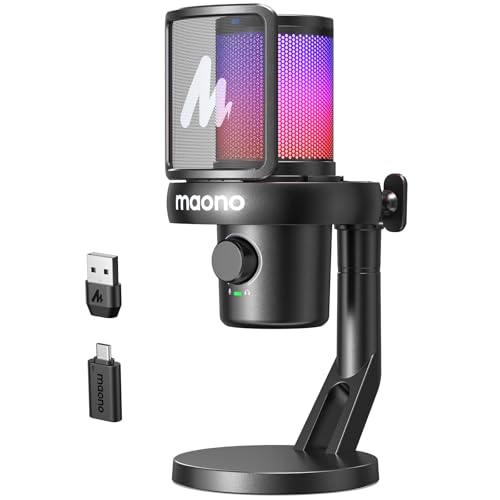
MAONO DM40 Wireless Condenser Mic

RØDE NT-USB Studio Condenser Mic

Podcast Microphone Bundle With Sound Card

G10 Integrated Podcast Production Studio

Neculogy G9-PKPRO Audio Mixer Bundle
Meet The Standout Selections
The AKG P120 is one of those budget condenser microphones that creators keep recommending to each other, and the bundled XLR cable plus pop filter makes it an easy first purchase for a home studio. A condenser design uses a thin diaphragm that picks up fine detail, which works well for vocals, voiceover, and acoustic instruments, and the cardioid pattern focuses on sound directly in front while ignoring much of the room behind it.
The bundle saves the hassle of sourcing a cable and pop filter separately, two accessories most beginners forget until their first recording picks up plosives. For someone setting up their first recording space on a computer, this kit removes the common roadblocks and lands at a price that feels reasonable for an XLR microphone from a known brand.
Where It Helps
- Cardioid polar pattern rejects background noise from the back and sides
- Bundle includes the XLR cable and pop filter needed to start recording immediately
- Condenser capsule captures vocal detail and acoustic guitar nuance
- Trusted brand reputation among home studio builders
Worth Bearing In Mind
- Requires an audio interface with phantom power, adding to total cost
- Condenser sensitivity means room noise and keyboard clicks come through louder than with dynamic mics
Whose Studio It Belongs On
Home studio beginners recording vocals or acoustic instruments who already plan to buy an audio interface.
Swap It Out When
Streamers wanting a USB plug-and-play path should consider the HyperX QuadCast instead, since it skips the interface requirement.
Going wireless changes how a desk feels during a stream, and the MAONO PD100W arrives with a USB-C receiver that pairs without the cable tangle most creators wrestle with. A dynamic capsule resists background noise better than the AKG condenser reviewed above, which makes it friendlier for untreated rooms where keyboard chatter and computer fans would otherwise leak into the recording.
For a gaming streamer running a multi-monitor setup, the wireless path means the mic can sit on a boom arm without routing a long USB cable back to the tower. The clean look fits a minimalist desk aesthetic that streamers tend to favor on camera.
Key Advantages
- Wireless USB-C receiver removes cable clutter from streaming setups
- Dynamic capsule handles noisy untreated rooms better than most condensers
- Plug-and-play pairing without driver installation
- Clean visual footprint for on-camera streaming
Honest Caveats
- Wireless operation introduces battery charging as a new maintenance task
- Dynamic design means slightly muted high-end detail compared to the RØDE NT-USB reviewed later
Who Should Grab It
Streamers and gamers wanting a clean desk setup without sacrificing audio quality for casual commentary and gameplay capture.
Consider Something Else When
Voice actors prioritizing pristine vocal detail should look at the RØDE NT-USB, which delivers richer broadcast tone over a wired USB connection.
The QuadCast S leans hard into the streaming aesthetic, with RGB lighting that cycles through customizable colors via the HyperX Ngenuity software. Beyond the light show, the real engineering draw is the four polar pattern switch: stereo, omnidirectional, cardioid, and bidirectional, all in one unit. Stereo captures room ambience for music, omnidirectional picks up a roundtable, cardioid focuses on one speaker, and bidirectional handles a face-to-face interview.
The built-in shock mount isolates the capsule from desk vibrations, a feature most mics in this tier leave to the buyer. For a creator running a multi-host podcast or switching between solo commentary and group chat, the pattern switch saves buying a second microphone.
What Works In Its Favor
- Four selectable polar patterns cover solo, group, and interview scenarios
- Built-in anti-vibration shock mount reduces desk bump noise
- Tap-to-mute sensor with LED indicator prevents accidental broadcasts
- RGB lighting integrates with broader streaming rig aesthetics
A Few Limitations
- Condenser sensitivity picks up room noise and requires acoustic treatment for best results
- RGB customization depends on HyperX software, which adds a setup step
Feature Snapshot
Right Fit For
Multi-format streamers running solo sessions, group podcasts, and interviews from the same desk.
Look Elsewhere When
Mobile creators wanting cable freedom should check the MAONO PD100W, which delivers similar flexibility through wireless USB-C instead of pattern switching.
The original QuadCast drops the RGB lighting of its sibling and keeps the same four-pattern design at a more accessible price point. For someone who cares about audio function over on-stream flair, this version still ships with the shock mount, pop filter, and tap-to-mute sensor that make the QuadCast line popular among new podcasters.
The red LED lighting serves as a status indicator without pulling focus from a webcam frame. Cross-platform compatibility across PC, Mac, PS4, and PS5 means the same mic works for streaming, console gaming capture, and video calls, which matters for anyone juggling devices.
What It Does Well
- USB plug-and-play skips the audio interface purchase entirely
- Four polar patterns handle varied recording scenarios in one unit
- Built-in shock mount and pop filter reduce common cleanup work
- Cross-platform compatibility covers PC, Mac, and consoles
Trade-Offs
- Condenser design means untreated rooms will introduce audible background noise
- Red LED lighting cannot be customized like the QuadCast S version
Best Suited To
First-time streamers and podcasters wanting a feature-complete USB mic without software configuration.
Reach For A Different Pick When
Creators wanting wireless freedom should consider the MAONO DM40, which trades pattern variety for cable-free flexibility.
The PD200W solves a problem most home studio owners hit eventually: the desire to grow beyond USB without replacing the mic. The hybrid design supports wireless operation for casual streaming, USB for plug-and-play computer recording, and XLR for a proper audio interface setup. A dynamic capsule with cardioid pickup (heart-shaped rejection that ignores sound from the sides and back) keeps room noise at bay, which matters in bedrooms and shared living spaces.
For a creator starting on USB and planning to add an audio interface later, this mic travels through every stage of that upgrade path. Bundled software adds noise cancellation and EQ adjustments for creators who want to shape tone without learning a full DAW (digital audio workstation) workflow.
Points In Its Favor
- Three connection modes cover wireless, USB, and XLR workflows in one unit
- Dynamic capsule handles untreated rooms better than condenser alternatives
- Cardioid pickup focuses on the speaker and ignores peripheral noise
- Software support adds EQ and noise reduction without extra plugins
Points To Note
- XLR mode requires a separate audio interface purchase to unlock
- Bundled software may feel redundant for creators already using a DAW
Quick Facts
Perfect Match For
Growing home studios planning to expand from USB into XLR-based interface recording over time.
A Better Fit Elsewhere
Creators committed to a pure wireless workflow should pick the MAONO PD100W, which focuses entirely on cable-free gaming audio.
The DM40 stands out for one number: up to 40 hours of continuous wireless use. Marathon streamers and podcasters running day-long recording sessions stop worrying about mid-stream battery swaps. The condenser capsule delivers the kind of vocal detail the AKG P120 provides, but in a wireless USB format that works straight from the box.
Three-level noise cancellation and a custom EQ (equalizer, a tool that shapes which frequencies get boosted or cut) help creators tune their sound without diving into a full DAW. The AI voice change feature adds character effects for gaming or entertainment streams.
The Practical Payoff
- 40-hour battery covers multi-day recording schedules on a single charge
- Three-level noise cancellation adapts to varying room environments
- Custom EQ onboard saves time spent on software-based sound shaping
- AI voice change adds creative options for entertainment streams
Possible Compromises
- Wireless reliability depends on maintaining line-of-sight to the receiver in busy Wi-Fi environments
- Condenser sensitivity means loud background noise still bleeds through at higher cancellation levels
Made For
Long-session streamers and content producers who need all-day wireless freedom without battery anxiety.
Skip It When
Mobile DJs and entertainers running live events should consider the Neculogy G9-PKPRO, which offers dedicated mixer controls suited for live performance.
RØDE has spent years building a name in studio microphones, and the NT-USB carries that reputation into the USB category. A side-address condenser design mimics the look and feel of traditional studio mics, which helps creators transition to interface-based recording later. The included pop filter and stand mean the box arrives ready for first recordings.
For vocalists and voice actors who care about a refined broadcast tone, the NT-USB captures vocal warmth that gaming-focused mics tend to flatten. It pairs well with both Windows and Mac recording applications, and it accepts an Apple iPad connection for mobile recording sessions.
Why It Works Well
- Side-address studio design feels familiar to anyone moving from interface-based recording
- Refined vocal capture suits singers and voice actors specifically
- Cross-platform compatibility covers Windows, Mac, and iPad
- Bundled pop filter and desk stand eliminate accessory shopping
Where It May Fall Short
- Wired USB design lacks the wireless flexibility of the MAONO PD100W and DM40
- Higher price point reflects brand positioning over raw feature count
Who It Suits Best
Vocalists, podcasters, and voice actors prioritizing broadcast-quality tone over streaming-centric features.
Where Another Pick Suits Better
Streamers wanting pattern variety should look at the HyperX QuadCast S, which offers four polar patterns for multi-source flexibility.
This bundle takes a different approach than the standalone microphones reviewed above: it ships with a live sound card mixer that adds voice changer effects and noise reduction on hardware. For a YouTube livestream host or gaming entertainer who wants punchy vocal effects without configuring software, the console handles modulation at the source.
The included BM800 condenser microphone is a budget-tier option, so the bundle’s value lives in the mixer rather than the capsule. Creators upgrading later can swap the mic while keeping the effects console, which softens the long-term cost.
A Strong Showing
- Hardware voice changer adds live effects without software configuration
- Noise reduction on the mixer reduces post-production cleanup
- 3.5mm connection works with phones, tablets, and computers
- Bundle format removes the need to source mixer and mic separately
Small Caveats
- BM800 condenser is a budget-tier capsule, limiting raw audio quality
- Mixer hardware adds desk clutter compared to a standalone USB mic
Feature Card
Who Will Love This
Live streaming entertainers and gaming hosts who want voice effects and noise reduction without learning mixer software.
Not Your Match When
Creators prioritizing pristine vocal capture should pick the RØDE NT-USB, which delivers cleaner studio tone without effects hardware.
The G10 approaches podcast production as a single appliance rather than separate components. A 4.5-inch adjustable LCD screen sits on the console, showing real-time audio levels and menu navigation, which removes the need to alt-tab into software during a recording session. The integrated mixer handles mic input, sound effects, and pitch adjustment in one unit.
For a first-time podcaster intimidated by the prospect of buying a mic, interface, and software separately, the G10 consolidates the workflow into one purchase. The included P15 condenser microphone matches the console’s beginner-friendly positioning.
Well-Handled Touches
- Integrated mixer, mic, and display simplify the all-in-one setup
- Real-time spectrum display shows audio levels without checking software
- Pitch adjustment and effects onboard for live vocal shaping
- Beginner-friendly form factor reduces the learning curve for new podcasters
Things To Consider
- All-in-one design means less flexibility to swap individual components later
- LCD screen and mixer add desk footprint compared to a standalone USB mic
Built With In Mind
First-time podcasters who want a single purchase that covers mic, mixer, and basic effects without separate software setup.
Another Choice May Suit
Streamers wanting pattern flexibility should pick the HyperX QuadCast S, which skips the mixer for a more compact streaming-focused design.
The G9-PKPRO leans toward the mobile DJ and multi-source creator, with a mixer console that handles multiple inputs alongside the included microphone. A professional-grade audio processing chip supports real-time vocal optimization and sound effects, which matters for creators running live events rather than fixed studio sessions.
Connection flexibility across PC, smartphones, and DJ setups makes this bundle travel between home recording and venue work. For a creator whose setup includes music sources and live mixing alongside a microphone, the console handles the routing in ways a single USB mic cannot.
What Stands Out
- Multi-input mixer supports music sources alongside the microphone
- Audio processing chip delivers real-time vocal optimization
- Cross-device compatibility covers PC, smartphone, and DJ setups
- Mobile design travels between home studio and live events
Factors To Consider
- DJ-focused feature set adds complexity for creators who only need a single mic input
- Bundle form factor takes up more desk space than standalone USB options
The Right Fit
Mobile DJs and multi-source creators who mix music and vocals across PC, phone, and live venue setups.
Where A Sibling Pick Shines
Solo podcasters wanting a cleaner desk should pick the MAONO PD200W, which delivers similar connection flexibility in a single-mic form factor.
Choosing Recording Equipment That Actually Fits Your Studio
The microphone shapes every recording more than any other piece of studio gear. Condenser microphones capture detail and nuance, which suits vocals, acoustic instruments, and voiceover work, but they also pick up room noise, keyboard clicks, and computer fans. Dynamic microphones reject more background sound, which makes them friendlier for untreated rooms, gaming commentary, and broadcast-style vocals.
Connection type matters just as much as capsule choice. USB microphones plug straight into a computer, which removes the cost of an audio interface and keeps the setup portable. XLR microphones require an interface with phantom power (a 48-volt electrical current that condenser mics need to operate), which adds cost and complexity but offers better long-term upgrade paths. Wireless USB options sit between the two, trading some audio purity for cable-free convenience.
Polar patterns determine how a microphone picks up sound from different directions. Cardioid rejects sound from behind, which works for most solo creators. Omnidirectional captures the whole room, useful for roundtable discussions. Bidirectional handles face-to-face interviews. Stereo creates spatial width for music recording. Creators who switch between formats benefit from a switchable multi-pattern mic, while dedicated solo podcasters save money with a single-pattern option.
Bundled accessories can swing the value calculation heavily. A microphone that ships with a pop filter, shock mount, and cable saves a round of accessory shopping. A bare microphone at a low price assumes the buyer will source those parts separately, which adds up fast for someone starting from scratch.
Practical Notes Across These Picks
Where Shoppers Go Wrong
Treating the microphone as the finish line is the most common trap. A great mic in a noisy room still records noise, so creators should budget for basic acoustic treatment: foam panels, a reflection filter, or even a closet full of clothes behind the mic. Skipping phantom power research catches XLR buyers off guard when their condenser refuses to power on. Phantom power is the 48V electrical current that condenser microphones require to operate, and not every interface or mixer supplies it automatically. Another miss is buying a USB mic for vocals and a dynamic mic for instruments when a single condenser with switchable patterns could handle both jobs. Creators also tend to over-invest in accessories before confirming the mic itself fits their voice and room.
Where The Extra Money Goes
Premium tier picks like the RØDE NT-USB spend the extra budget on capsule tuning and brand-grade component consistency. Cheaper condenser mics use similar diaphragm principles, but the supporting circuitry, build tolerance, and quality control vary, which shows up as inconsistent performance between units. Multi-pattern microphones add a switch and additional internal wiring, which raises manufacturing cost. Wireless designs add transmitter and receiver circuitry, plus battery management, which explains why the MAONO PD200W and DM40 sit above basic USB condensers. The honest read is that spending up pays off when the upgrade removes a real workflow friction, like pattern switching for multi-host podcasts or wireless freedom for streaming setups, rather than for marginal spec-sheet gains that the human ear cannot detect.