Anyone who spends serious time at a desk, gaming late into the night, mixing tracks after work, or just trying to get more depth out of their music collection, eventually runs into the same wall. The onboard sound on most motherboards and laptops simply isn’t built to drive demanding headphones or feed a pair of powered monitors cleanly. That’s where a dedicated desktop DAC steps in. The ten models below cover every common need, from compact dongles that vanish in a laptop bag to full-size decoding hubs for a multi-source listening station. I focused on real-world usability, supported connection types, and how each one fits a specific kind of desk setup.
A Quick View Of The Lineup

Fosi Audio C3 Gaming DAC Amp for PC, USB Headphone Amplifier

Fosi Audio K7 DAC Headphone Amp, Desktop Headphone Amplifier
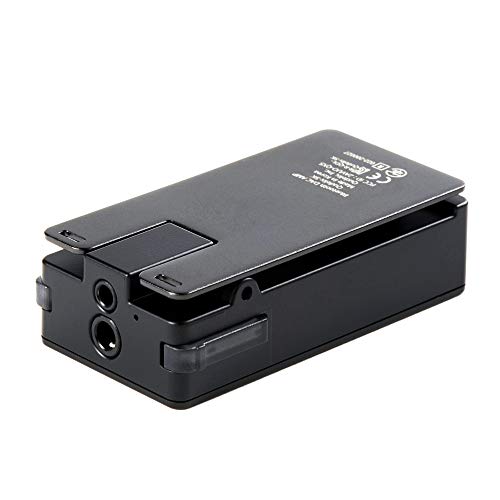
Qudelix-5K Bluetooth USB DAC AMP with LDAC, aptX Adaptive
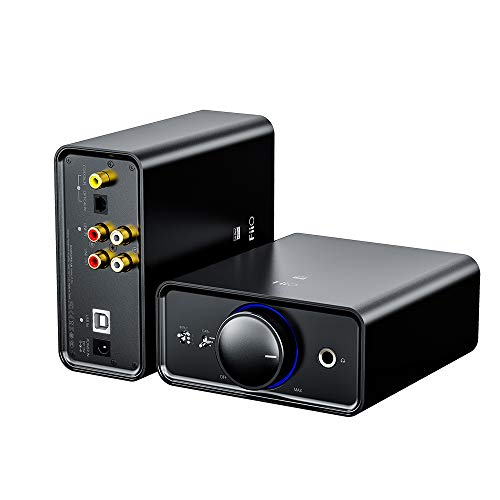
FiiO K5 Pro Headphone Amps Portable Desktop DAC and Amplifier

FiiO K11 DAC and Headphone Amplifier for Home Audio or PC

MECHEN AP10 USB DAC Dongle 3.5mm/4.4mm HiFi Amp Balanced
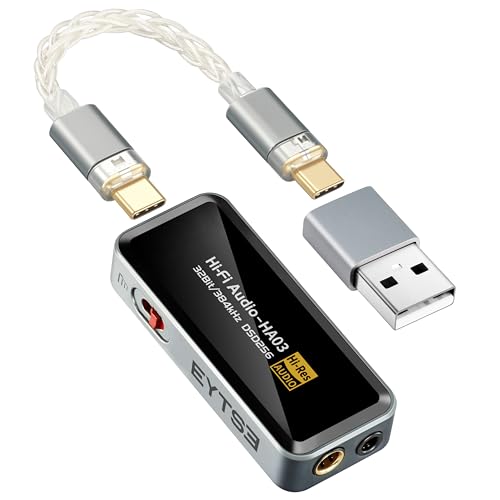
EYTSE Portable Headphone Amplifier, USB C MINI DAC Amp Dongle

FiiO/JadeAudio KA13 Portable DAC Dongle, USB-C Adapter
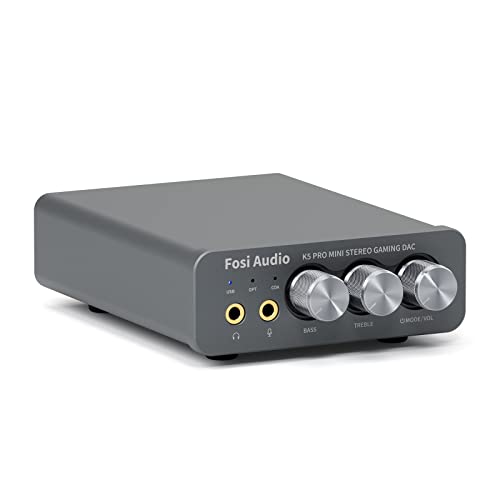
Fosi Audio K5 Pro Gaming DAC Headphone Amplifier Mini Hi-Fi

AIYIMA D20 Balanced Audio DAC, Dual ES9039Q2M AK4493S
The Strengths Of Each Pick
The Fosi Audio C3 leans hard into the gamer side of the desktop DAC conversation. Unlike the larger Fosi Audio K7 that comes later in this list, the C3 is a compact box designed to sit between a PC and a headset, with native 7.1 surround sound built in. That positional audio is genuinely useful in competitive shooters, where hearing a footstep one hallway earlier can swing a round.
The unit pulls double duty as a basic desktop DAC and headphone amp, with a hardware volume knob right on the front so I can nudge levels mid-match without tabbing out. It also supports PS5 and Switch, which makes it handy for anyone splitting time between platforms without owning two separate audio chains.
Real-World Strengths
- Native 7.1 surround gives competitive FPS players a real positional edge in crowded matches.
- Dedicated footstep enhancement helps enemy movement cut through gunfire and explosions.
- Front-mounted volume knob is faster than digging through Windows sound settings during a clutch round.
- Cross-platform support covers PS5 and Switch, so one device replaces platform-specific solutions.
- Compact chassis leaves desk space free for a mouse pad and keyboard.
Things To Consider
- The surround sound and footstep tuning are tuned for games, so music listening feels less neutral than something like the Fosi Audio K7.
- Owners commonly mention that the included cable bundle can feel short for tower PCs tucked under a desk.
Feature Snapshot
Who It Suits Best
Competitive FPS players who run a headset most nights and want a noticeable audio upgrade over motherboard sound.
Look Elsewhere When
Casual music listeners should reach for the Fosi Audio K7 instead, since it offers a more balanced sound signature for mixed use.
The Fosi Audio K7 is the bigger sibling to the gaming-focused C3, and it shows. Where the C3 leans into surround and footstep tricks, the K7 is built as an honest desktop hub for music and gaming alike. Inputs cover USB-C, Bluetooth with aptX HD and low-latency modes, optical, coaxial, and a microphone input, so it can sit at the center of a cluttered desk without forcing source juggling.
The output side is equally generous: a 4.4mm balanced jack, a 3.5mm single-ended jack, and RCA line outs for powered monitors. With 2100mW of output power and support for PCM up to 384kHz at 32-bit, the K7 has enough headroom to drive demanding planar magnetic headphones without breaking a sweat.
What Stands Out
- Wide input selection means a TV, PC, console, and Bluetooth phone can all feed the same amplifier.
- 2100mW of output power handles power-hungry headphones many smaller amps struggle to drive.
- Balanced 4.4mm output reduces channel crosstalk for cleaner stereo imaging on critical listening.
- Built-in mic input supports headset users without needing a separate audio interface.
Honest Caveats
- The larger footprint takes up meaningful desk space compared to dongles like the MECHEN AP10.
- Bluetooth audio, while convenient, adds slight latency that may frustrate rhythm-game players.
Right Fit For
Hybrid users who switch between music, movies, and gaming on multiple devices from the same desk.
A Better Fit Elsewhere
Pure competitive gamers focused only on FPS positioning should consider the Fosi Audio C3 for its dedicated footstep tuning.
The Qudelix-5K is the most pocketable item in this lineup, and that is genuinely the point. It is small enough to clip onto a shirt pocket yet still ships with dual ES9219 DAC chips, both a 2.5mm balanced output and a 3.5mm single-ended output, and a companion app that exposes a deeply tunable equalizer. For anyone whose “desk” is a laptop at a coffee shop, a hotel room, or a couch, that flexibility matters.
Bluetooth support includes LDAC, aptX Adaptive, aptX HD, and AAC, which covers high-quality wireless streaming from Android phones, iPhones, and modern laptops. It also works as a wired USB DAC at up to 96kHz/24-bit when plugged into a computer, which is why I think of it as a hybrid rather than a strictly portable unit.
What Works In Its Favor
- Tiny form factor slips into any laptop bag without adding bulk to a travel kit.
- LDAC and aptX Adaptive keep wireless quality close to wired levels on supported phones.
- Dual outputs (2.5mm balanced, 3.5mm single-ended) support both IEM and full-size headphones.
- Companion app unlocks granular EQ control rarely seen at this size.
Worth Noting
- Plastic housing, while light, picks up scratches more easily than aluminum alternatives like the FiiO K5 Pro.
- Battery life varies heavily with codec choice; LDAC drains the cell noticeably faster than AAC.
Technical Highlights
Made For
Listeners whose desk shifts between a home office, a coworking space, and travel days, and who want one device to follow them.
Swap It Out When
Anyone sitting at a fixed desk driving full-size headphones all day will get more from a stationary unit like the FiiO K11.
The FiiO K5 Pro has been a familiar name on desktop audio shelves for a while now, and for good reason. It uses the ES9038PRO DAC chip paired with an XUF208 USB decoder, which means it handles high-resolution files up to 768kHz at 32-bit and native DSD512. For anyone with a large library of hi-res FLAC or DSD rips, that ceiling matters.
On the amplification side, the K5 Pro delivers up to 1.5W into a 32-ohm load, which is more than enough to wake up even notoriously hard-to-drive headphones like the Sennheiser HD600 series. Inputs include USB, coaxial, optical, and RCA, so it can slot into a system with a CD transport, a streamer, and a computer all feeding one source selector.
Advantages To Know
- 768kHz/32-bit and native DSD512 decoding handle the most demanding hi-res libraries.
- 1.5W output into 32 ohms easily drives high-impedance studio headphones.
- Optical and coaxial inputs let legacy CD players or streamers join the same signal chain.
- Front-panel gain switch helps match sensitive IEMs and power-hungry cans on the same unit.
Points To Keep In Mind
- The unit needs the external power brick connected at all times, so it is not a grab-and-go option like the Qudelix-5K.
- Single 6.35mm headphone output means balanced headphone owners need to look at the newer FiiO K11.
Best Suited To
HiFi newcomers stepping up from a dongle who want a proven desktop amp with enough resolution headroom for years of file upgrades.
Another Choice May Suit
Listeners who want Bluetooth and balanced output in one box should consider the Fosi Audio K7 instead.
The FiiO K11 sits in a slightly newer position than the K5 Pro and addresses a few common gripes people had with that older unit. It adds a balanced 4.4mm headphone output alongside the 6.35mm jack, pushes output power up to 1400mW, and brings the input panel up to USB, coaxial, optical, and RCA line-in. That makes it the more flexible of the two for users who own balanced cables.
It supports PCM up to 384kHz at 24-bit and DSD256 natively, which is more than enough for the vast majority of commercially available hi-res tracks. The integrated OLED screen also gives a quick-glance readout of the active input, sample rate, and volume, which is a small touch but makes daily use feel less like guesswork.
A Favorable Mix
- Balanced 4.4mm output opens the door to cleaner signal paths for owners of balanced headphone cables.
- Front display removes the need to check a software panel for sample rate and volume status.
- 1400mW of output drives most audiophile headphones without strain.
- Clean industrial design fits a minimalist desk aesthetic better than rack-style amps.
Small Caveats
- No Bluetooth means phone streaming requires a wired connection or a separate adapter.
- The included remote control is reported by owners to be line-of-sight dependent, which can frustrate shelf placement.
Quick Facts
Perfect Match For
Home office listeners who want a clean, screen-equipped desktop amp that doubles as a quiet pre-stage for powered monitors.
Consider Something Else When
Wireless-first households should look at the Fosi Audio K7, which adds Bluetooth to a similar feature set.
The MECHEN AP10 is what I would point a minimalist toward. It is a thumb-sized dongle, but it carries an ESS Sabre ES9028Q2M DAC chip, which is the same family of silicon found in many larger desktop units. It decodes DSD256 natively and PCM up to 32-bit/384kHz, which means it punches well above its physical weight class.
The body offers both a 3.5mm single-ended jack and a 4.4mm balanced output on the same unit, so there is no need to choose between IEMs with normal cables and over-ear headphones with balanced leads. The whole thing pulls power and signal from the USB port, so a laptop, a phone, or a small-form-factor PC can feed it directly.
Standout Benefits
- ESS Sabre chip brings desktop-grade decoding into a dongle-sized enclosure.
- Dual output jacks cover most headphone cable types without adapters.
- Bus-powered design means no extra cables cluttering the desk.
- Compact size makes it a tidy upgrade for laptop-bound listeners.
Where It Is Less Suited
- Output power is limited compared to the wall-powered FiiO K11, so very demanding planar magnetics may underperform.
- No physical volume knob means volume changes happen at the source device only.
Whose Shelf It Belongs On
Minimalist desktop owners who want cleaner audio than a built-in laptop or motherboard output without dedicating real estate to a full-size amp.
Reach For A Different Pick When
Anyone running power-hungry over-ear headphones should consider the FiiO K11 for its higher output ceiling.
The EYTSE dongle is built around convenience. It uses dual CS43131 DAC chips and ships in a small silver housing that weighs almost nothing on a desk. The key selling point is true plug-and-play support across Android phones, Windows PCs, Macs, and recent iPhones, with no driver installation required.
That makes it a sensible fit for shared desks where multiple people plug in their own devices throughout the day, or for anyone who hates troubleshooting audio drivers. The dual output design includes both 3.5mm and 4.4mm balanced jacks, so two different headphones can be kept ready without swapping cables.
Benefits That Matter
- Truly driver-free operation across phones, tablets, and computers removes setup friction.
- Dual CS43131 chips keep noise floor low enough for sensitive IEM listening.
- Both 3.5mm and 4.4mm outputs are available without adapters.
- Lightweight aluminum shell holds up to daily pocket-and-bag transport.
A Few Limitations
- No hardware volume control, so all level changes must happen through the host device.
- Maximum output power is modest, so very high-impedance headphones may sound quieter than expected.
Who Should Grab It
Households or workspaces where multiple devices and people share one audio setup, and where simplicity wins.
Where A Sibling Pick Shines
Listeners chasing higher output power and a screen should move up to the FiiO K11.
The FiiO KA13 borrows a lot from the larger FiiO K5 Pro on the inside but shrinks it into a dongle form factor. It runs dual CS43131 DAC chips paired with dual SGM8262 op-amps, which gives it cleaner output and better dynamics than most single-chip dongles. The trick is the desktop mode, which raises balanced output power up to 550mW when connected to a computer.
Compatibility covers Android, iOS, PCs, and most music players through a single USB-C input, and outputs include both 3.5mm and 4.4mm jacks. PCM support reaches 384kHz at 32-bit and DSD256, which matches what many full-size desktop units offer.
Noteworthy Benefits
- Desktop mode unlocks 550mW of balanced output, far above typical dongle performance.
- Dual DAC and dual op-amp layout improves channel separation and detail retrieval.
- Wide USB-C compatibility covers phones, tablets, laptops, and dedicated music players.
- Tiny shell makes it easy to throw in a bag for travel between home and office.
Points To Weigh
- The body can get warm in desktop mode during long listening sessions, which is worth knowing for hot desks.
- Some older iPhones require a Lightning adapter cable that is not always included.
Built With In Mind
Hybrid phone-and-PC users who want one device that travels light at home and pushes harder when plugged into a computer.
Not Your Match When
Anyone seeking wireless streaming should consider the Qudelix-5K, which adds Bluetooth to a similar portable form factor.
The Fosi Audio K5 Pro is a smaller, gaming-oriented desktop unit that splits the difference between the C3 above and the larger K7 hub. It runs the Texas Instruments NE5532 op-amp for a low noise floor and supports USB-C, optical, and coaxial inputs on the back, with both RCA line outs and a 3.5mm AUX on the front.
USB-C input tops out at 24-bit/96kHz, while optical and coaxial stretch to 24-bit/192kHz, which is enough for most console and PC gaming scenarios. Output power ranges from 1000mW at 16 ohms down to 80mW at 300 ohms, so it covers both sensitive headsets and higher-impedance studio cans.
Everyday Advantages
- Front-panel bass and treble controls let users tune game audio or music on the fly.
- Combined volume and power knob simplifies the front-panel layout.
- Wide input compatibility covers consoles, PCs, Macs, and active speakers.
- Headphone output doubles as a microphone input on certain platforms for headset users.
Things That May Matter
- USB-C input tops out at 96kHz, which falls short of higher-resolution desktop units like the FiiO K5 Pro.
- No balanced headphone output, so balanced-cable owners will not benefit here.
Core Details
Who Will Love This
Console and casual PC players who want a small, simple upgrade over TV or motherboard sound without extra complexity.
Skip It When
Audiophiles prioritizing hi-res decoding should pick the FiiO K5 Pro instead for its higher resolution ceiling.
The AIYIMA D20 is the most unusual item in this lineup, because it carries two flagship DAC chips from different manufacturers in the same chassis. The dual ESS ES9039Q2M and AKM AK4493S chips can be switched between, giving listeners a real-time choice between the analytical clarity that ESS is known for and the warmer tonality AKM tends to favor.
The fully balanced pre-amplifier design and bypass mode also let the D20 drop into an existing hi-fi chain without disrupting it. Anyone already running a power amp and passive speakers can use the D20 as a clean source-and-pre combo, or skip the pre section entirely when desired.
A Few Highlights
- Switchable dual DAC architecture offers two distinct sound signatures in one device.
- Fully balanced pre-amp stage preserves signal purity into downstream power amplifiers.
- Bypass mode lets the unit act as a pure DAC inside a larger hi-fi system.
- Dual DAC pedigree appeals to tinkerers who like dialing in different voicing per genre.
Factors To Consider
- The feature set rewards users who already understand DAC chip differences; beginners may find the toggling confusing.
- Requires careful pairing with downstream amplification to hear the chip switch clearly.
The Right Fit
Audiophile tinkerers who already own a power amp or active speakers and want a desktop DAC that can shift character on demand.
A Better Fit Elsewhere
First-time buyers should consider the FiiO K5 Pro, which delivers strong decoding without the dual-chip complexity.
What Matters When Choosing a DAC for a Desktop
A desktop DAC is more than a spec sheet, and the right pick depends on how the desk actually gets used. For most setups, three attributes matter more than the rest: connection compatibility, output power, and form factor. Start with what needs to plug in. PCs typically work best over USB, but consoles often require optical or HDMI extraction, and TVs usually send audio over optical as well.
Output power matters because demanding headphones need real wattage to sound their best. The Fosi Audio K7 and the FiiO K5 Pro lead here, while dongles like the MECHEN AP10 trade power for size. Form factor is the last practical gate. A fixed desk with permanent headphones welcomes a full-size unit, but a shared workspace or a laptop-only lifestyle pushes toward dongles or compact hubs.
Think about whether Bluetooth matters. Wireless convenience adds input flexibility, but wired connections still sound cleaner and avoid latency. The Fosi Audio K7 and the Qudelix-5K both offer Bluetooth; the FiiO K11 skips it for a cleaner wired signal path. Match that to how audio actually arrives at the desk.
Smart Shopping Considerations
Where First-Time Shoppers Slip Up
Common shopping mistakes usually come from chasing spec numbers rather than matching the gear to the actual setup. A buyer who already owns sensitive in-ear monitors does not need 2000mW of power, and a buyer running demanding planar magnetics will be disappointed by a basic dongle. The honest read is that balanced output matters most for owners of balanced cables, sample rate ceilings matter most for hi-res libraries, and Bluetooth matters most for shared or living-room setups.
Where the Higher Price Actually Goes
Premium desktop DACs earn their cost through better amplifier sections, more flexible input panels, and higher-quality internal components. The Fosi Audio K7, the FiiO K11, and the AIYIMA D20 each justify their tier with tangible engineering gains, including balanced outputs, higher output power, and better shielding. Paying more pays off when the headphones, the source library, and the listening environment can reveal those gains. Paying more for casual TV audio does not.
Frequently Asked Questions
Do I need a DAC if my motherboard already has audio? Yes, a dedicated DAC can help if headphones are hard to drive or if audio sounds flat. Most onboard audio is functional but limited, and a unit like the FiiO K5 Pro offers cleaner output and more power.
What is the difference between a DAC and a headphone amplifier? A DAC converts digital audio files into analog signals, while a headphone amplifier boosts that signal to drive headphones. Many desktop units, including the Fosi Audio K7 and the FiiO K11, combine both functions in one box.
Will any of these work with a Mac? Most USB DACs work natively with macOS without extra drivers. The EYTSE dongle and the Qudelix-5K both advertise plug-and-play support across Mac, Windows, and mobile devices.
Are balanced headphone outputs worth it? Balanced outputs reduce crosstalk and can deliver more power, but only when paired with balanced cables. Listeners using single-ended cables will not hear the benefit, which is why balanced output is more useful for users with compatible gear.
How important is DSD support? DSD support matters mainly for listeners with a DSD music library. For typical streaming and CD-quality files, PCM decoding is sufficient, and most modern DACs handle both formats anyway.
Closing Remarks
The right desktop DAC comes down to the gear it feeds and the desk it lives on. Match the connections, the output power, and the form factor to the actual setup, and any of the ten picks above will deliver a clear step up from built-in audio. Take a few minutes to think about which headphones get used most and which sources feed the desk, then pick the model that fits that real workflow. The honest path is the one that lines up with how the room actually gets used day to day.