Choosing a first 88-key piano keyboard shapes how every practice session feels for months to come. Beginners need full key counts so they never have to relearn scales later, but they also need a touch that forgives small hands and tired evenings. I looked at eight current options across portable boards, weighted consoles, and Bluetooth-equipped home pianos that suit early learners. The picks below mix visual learning aids for kids, foldable travel boards, and genuine hammer-action instruments for adults who want acoustic-style technique from day one.
A Closer Look At The Lineup

AiJoy 88 Keys Folding Piano keyboard

AiJoy 88 Keys Foldable Piano Keyboard

Yamaha P225 88-Key Digital Piano
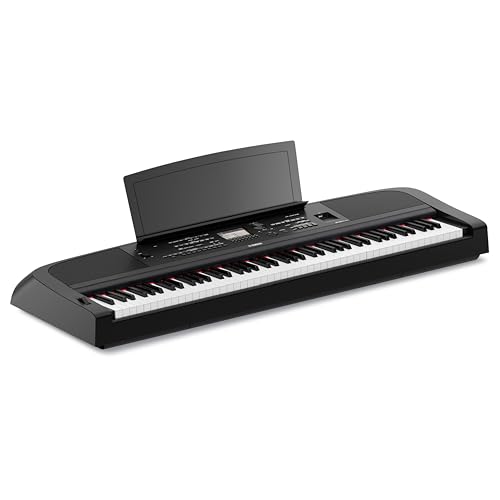
Yamaha DGX-670B 88-Key Weighted Digital Piano

Donner OURA S100 Digital Piano with Bluetooth

Donner DDP-80 88 Key Weighted Keyboard

Donner DDP-80 PLUS Digital Piano with Cover

AiJoy Portable 88 Keys Semi-Weighted Keyboard
The Picks, Examined More Closely
The AiJoy 88 Keys Folding Piano keyboard leans into one job: making practice feel like play for children and visual learners. Built-in multi-colored lighting cues follow the fingers across the keys, turning scales and simple songs into a game of follow-the-light that keeps short attention spans engaged. For parents handing a beginner their first full-sized layout, the lights remove the friction of staring at sheet music during the earliest weeks.
Compared to the AiJoy Foldable board later in this list, this model focuses more on the lighting experience than on portability tricks. It folds flat for under-bed storage, but the real draw is the visual guidance. Households with younger students who lose patience with traditional method books benefit most from this approach.
Practical Pluses
- Multi-colored key lighting makes note-finding intuitive for early learners
- Full 88-key layout means no transition shock when a student upgrades later
- Folding frame slides under furniture when practice time ends
- Light button toggles modes for different practice moods and quiet study
- Lowers the entry barrier for kids who respond to visual cues over notation
Points To Keep In Mind
- Unweighted action means finger strength training transfers unevenly to acoustic pianos
- Lights require power, so battery-free placement near an outlet matters
- Built-in speakers tend to sound thin in larger rooms, so headphones help late-evening practice
Feature Snapshot
Who It Suits Best
Young visual learners and parents introducing a child to full-size keys for the first time.
Skip It When
Adults developing classical technique should reach for the Yamaha P225 88-Key Digital Piano instead for genuine weighted action.
The AiJoy 88 Keys Foldable Piano Keyboard leans hard into a “store-anywhere” lifestyle. It folds quickly into a flat panel that fits behind a door or under a couch, and the four lighting modes let learners cycle through visual cues or switch them off entirely for traditional sight-reading. Students in dorms, rentals, or shared apartments get a full 88-key range without surrendering floor space.
Versus the AiJoy light-up keyboard above, this model puts more emphasis on the folding hinge and the off switch for quiet study. Travelers who want a board that disappears between sessions find the design genuinely useful, while anyone planning a permanent studio spot should look at the console-style Donners further down the list.
Useful Strengths
- Compact fold profile solves storage problems in tight living quarters
- Four lighting modes offer more variety than basic on-off boards
- Light button lets students mute the colors for focused practice
- 88 full keys support complete beginner repertoire from day one
Worth Bearing In Mind
- Non-weighted keys mean students may need a transition board later for classical pieces
- Folding hinge adds slight flex that some users notice during heavier playing
- Built-in speakers can distort at higher volumes, so volume moderation helps
Right Fit For
Apartment dwellers and dorm students who need a full 88-key board that packs away between sessions.
Look Elsewhere When
Anyone wanting authentic hammer feel should consider the Donner DDP-80 88 Key Weighted Keyboard for a true weighted upgrade.
The Yamaha P225 88-Key Digital Piano is the board for a beginner who already knows piano is going to stick. Weighted keys deliver the heavier resistance in the bass and lighter resistance in the treble that mirrors an acoustic instrument, so technique built here travels directly to any upright or grand later. Built-in speakers handle everyday playing, while the included sustain foot switch teaches pedaling habits from the very first month of lessons.
Compared to the AiJoy boards earlier in this list, the P225 trades playful lighting and folding portability for a console-style playing experience that adults actually want to sit down at. Serious beginners who plan to take formal lessons benefit most, while casual experimenters may find more value in a lighter board.
What Makes Sense
- Weighted graded action develops real finger strength for acoustic transfer
- Portable design still fits a small home setup without dedicated furniture
- Built-in speakers deliver room-filling sound for family listening sessions
- Music rest holds sheet music or tablets at a comfortable reading angle
- Sustain foot switch teaches pedaling technique alongside hand skills
Trade-Offs To Consider
- Higher cost may feel steep for casual dabblers who never reach lesson stage
- Lacks the visual lighting that helps younger students learn note names
- Heavier chassis makes it less travel-friendly than folding AiJoy options
Quick Facts
Made For
Serious beginners committed to long-term lessons and acoustic-style technique development.
Swap It Out When
Younger learners who need playful engagement should consider the AiJoy 88 Keys Folding Piano keyboard for its visual learning cues.
The Yamaha DGX-670B 88-Key Weighted Digital Piano wraps Yamaha’s flagship CFX concert grand sampling into a home console. CFX Stereo Sampling captures the natural resonance of a nine-foot concert instrument, so beginners hear a richer, more layered tone than they would from entry-level sound engines. The weighted action is heavier in the low register and lighter in the high register, which builds proper finger habits for anyone who might later play a real grand.
Versus the simpler P225 reviewed earlier, the DGX-670B layers in accompaniment features and a broader instrument voice set that turns practice into exploration. Home studios where one player teaches siblings or where a student wants more than a single grand sound get the most mileage out of it.
The Helpful Details
- CFX grand sampling delivers convincing acoustic resonance and tonal depth
- Weighted graded action trains fingers for real piano technique from day one
- Broad instrument voice library keeps long-term practice sessions varied
- Accompaniment features support structured learning and play-along fun
- Console form factor fits naturally in a living room or dedicated practice corner
Where It Is Less Suited
- Heavier cabinet and full console footprint demand permanent placement space
- Feature depth can overwhelm absolute beginners during their first weeks
- Costs more than the portable P225 for players who won’t use the extras
Best Suited To
Home lesson studios and motivated learners who want flagship piano tone alongside practice features.
A Better Fit Elsewhere
Travel-focused students should weigh the AiJoy Portable 88 Keys Semi-Weighted Keyboard for a board that moves with them.
The Donner OURA S100 Digital Piano pairs a graded hammer-action keyboard with modern wireless features that entry-level boards often skip. Bluetooth connectivity lets a tablet-based lesson app pipe audio through the piano or stream backing tracks from a phone during practice. The 3-original demo songs give beginners something polished to play within minutes of unboxing, which removes the “what do I play first” hesitation that derails many new routines.
Against the Yamaha DGX-670B reviewed above, the OURA S100 trades some tone-engine heritage for a friendlier price and a cleaner minimalist look. Connected learners who use apps for lessons and metronome work get strong value here, while tone purists may still gravitate toward Yamaha’s flagship sampling.
Strong Points
- Graded hammer action develops proper finger control across all 88 keys
- Bluetooth audio streams lessons and backing tracks without cables
- Three onboard demos offer polished first songs for early confidence
- Dual 10-watt speakers fill a medium room for solo and family practice
- Piano-style three-pedal unit supports full expression technique
A Few Limitations
- Bluetooth audio adds minor latency that sensitive players may notice during play-along
- Sound engine does not match flagship grand sampling for tonal complexity
- Pedal unit adds bulk compared to single-switch starter boards
Feature Card
Whose Shelf It Belongs On
Connected learners using tablet apps for lessons who want wireless audio streaming alongside weighted keys.
Consider Something Else When
Students chasing flagship acoustic tone should look at the Yamaha DGX-670B 88-Key Weighted Digital Piano for its CFX sampling.
The Donner DDP-80 88 Key Weighted Keyboard delivers full hammer-action feel in a retro wood-finish cabinet that blends into traditional home decor. The Advanced French DREAM sound source brings a layered, expressive tone that punches above what the modest price suggests, while 128-note polyphony (the number of notes the piano can sound at once before dropping earlier ones) keeps complex passages clean. USB-MIDI support lets students connect to notation software for sight-reading drills and recording.
Compared to the OURA S100 above, the DDP-80 skips Bluetooth in favor of a wired USB workflow that latency-sensitive users may prefer. Home practice setups where students sit down at the same spot every day get a console that looks and feels like furniture.
Everyday Wins
- Full weighted 88-key action builds proper piano technique from week one
- Retro wood finish complements traditional living room setups
- Triple pedal unit teaches proper pedaling habits for classical repertoire
- USB-MIDI hookup enables notation software and recording sessions
- 128-note polyphony handles layered beginner pieces without dropped notes
Trade-Offs To Consider
- Lacks Bluetooth wireless streaming for tablet-based lessons
- Heavier console form factor requires a permanent placement spot
- Sound engine, while expressive, sits below flagship grand sampling in tonal nuance
Who Will Love This
Home practice routines where a wood-finish console doubles as living room furniture and daily practice anchor.
Not Your Match When
Learners wanting wireless app streaming should look at the Donner OURA S100 Digital Piano with Bluetooth instead.
The Donner DDP-80 PLUS Digital Piano takes the DDP-80 foundation and adds a semi-open lid cover that protects the keys from dust, spills, and curious pets between sessions. The progressive weighted action grows heavier from treble to bass, mimicking real acoustic behavior, while the metal three-pedal unit feels sturdier underfoot than entry-level plastic pedals. Headphone support and USB-MIDI round out a board built for serious daily practice.
Versus the standard DDP-80 reviewed above, the PLUS swaps the wood aesthetic for a covered design that survives shared living spaces. Households where the piano sits in a multipurpose room benefit most, while buyers wanting the retro wood look should stick with the DDP-80.
The Value In It
- Semi-open lid shields keys from dust and household accidents
- Progressive weighted action accurately mirrors acoustic touch response
- Metal three-pedal board feels more durable than plastic starter pedals
- Headphone output supports silent late-evening practice sessions
- USB-MIDI connects to recording and notation software for study sessions
Honest Caveats
- Cover adds moving parts that may loosen over years of daily opening
- No Bluetooth, so wireless lesson app streaming requires workarounds
- Heavier console design makes relocation between rooms harder
Technical Reference
The Right Fit
Shared family spaces where dust, pets, or curious siblings make a protective lid a real asset.
Reach For A Different Pick When
Players drawn to wood-cabinet aesthetics should consider the Donner DDP-80 88 Key Weighted Keyboard for its retro finish.
The AiJoy Portable 88 Keys Semi-Weighted Keyboard sits between a true lightweight toy and a heavy console. Semi-weighted keys (a middle-ground action that adds resistance without full hammer simulation) give students more finger feedback than the non-weighted AiJoy boards earlier, while the folding frame keeps travel practical. Full-size 88 keys mean beginners never have to relearn layouts when moving between this board and a future console upgrade.
Against the other AiJoy models in this list, this one prioritizes playing feel over lighting theatrics. Students who commute between home, school, and lessons get a board that disappears into a backpack yet still feels like a real piano under the fingers.
The Practical Payoff
- Semi-weighted action builds finger control beyond entry-level toy keyboards
- Folding design makes transport between home and lessons realistic
- Full-size keys match acoustic standards for clean technique transfer
- Comfortable key depth supports longer practice sessions without hand fatigue
Softer Spots
- Semi-weighted feel still falls short of full hammer action for classical repertoire
- Folding hinge can develop slight wobble after frequent transport cycles
- Built-in speakers often need headphone supplementation for clean tone in noisy rooms
Who Should Grab It
Students juggling lessons across multiple locations who want a real keyboard feel in a portable package.
Another Choice May Suit
Home-only players wanting full hammer-action realism should reach for the Yamaha P225 88-Key Digital Piano instead.
What To Weigh Before Choosing Your First 88-Key Keyboard
Weighted Versus Semi-Weighted Versus Non-Weighted Action
Action describes how the keys respond under the fingers, and it matters more than almost any other spec. Non-weighted keys feel like typing on a computer keyboard: light, fast, and easy on small hands, but they do not build the finger strength needed for acoustic piano. Semi-weighted keys add moderate resistance that helps develop control without the heavier feel of a real hammer. Fully weighted keys (also called hammer action or graded hammer action) simulate the resistance of hammers striking strings, with the left side feeling heavier than the right. Beginners committed to lessons benefit most from weighted keys because their technique transfers cleanly to any future acoustic piano. Casual dabblers or younger children may find weighted keys frustrating during the earliest weeks.
Key Count And Full-Size Layout
Eighty-eight keys covers the full range of a standard acoustic piano, from the deepest bass to the highest treble. Starting with a full-size layout removes the need to relearn scales and pieces when upgrading later. Smaller keyboards with 61 or 76 keys leave gaps in repertoire, forcing students to abandon certain classical pieces mid-sentence. Beginners who plan to stick with piano for more than a few months should treat 88 keys as non-negotiable.
Sound Engine And Speaker Quality
The sound engine is the digital recording and processing system that produces each note. Flagship engines like Yamaha’s CFX Stereo Sampling layer multiple recordings per note to capture the natural resonance of a concert grand, while budget engines often rely on single samples that sound thinner. Built-in speakers vary widely in wattage and clarity, so playing in a noisy household may require headphones for accurate listening. Beginners who plan to play for family and friends benefit from stronger speakers.
Connectivity, Pedals, And Long-Term Use
USB-MIDI support lets a keyboard communicate with computers and tablets for recording, notation software, and lesson apps. Bluetooth audio streams lesson app sound wirelessly but can add minor latency. Pedal options matter: a single sustain pedal teaches the basics, while a three-pedal unit adds soft and sostenuto for classical repertoire. Beginners should think about which accessories they will actually use rather than chase the longest feature list.
Key Considerations Across These Picks
Pitfalls Shoppers Hit
The most common beginner mistake is choosing a board based on looks or lighting rather than action feel. Visual learning aids help younger students, but a flashy board with non-weighted keys leaves technique gaps that surface within months. Another trap is assuming more voices and accompaniment features automatically make a keyboard “better”: extra features that never get used still raise the cost and clutter the control panel. Buyers should match the keyboard to the student’s actual practice style instead of the longest spec sheet.
Where The Extra Money Goes
Stepping up from an entry-level portable board to a weighted console adds genuine acoustic-style hammer resistance, richer sound engines with multiple sample layers per note, and sturdier pedal units. The upgrade pays off when a beginner commits to lessons and starts playing pieces that demand real finger control. Casual experimenters rarely recoup the cost difference, so honest self-assessment matters before choosing a premium tier over a budget board.